
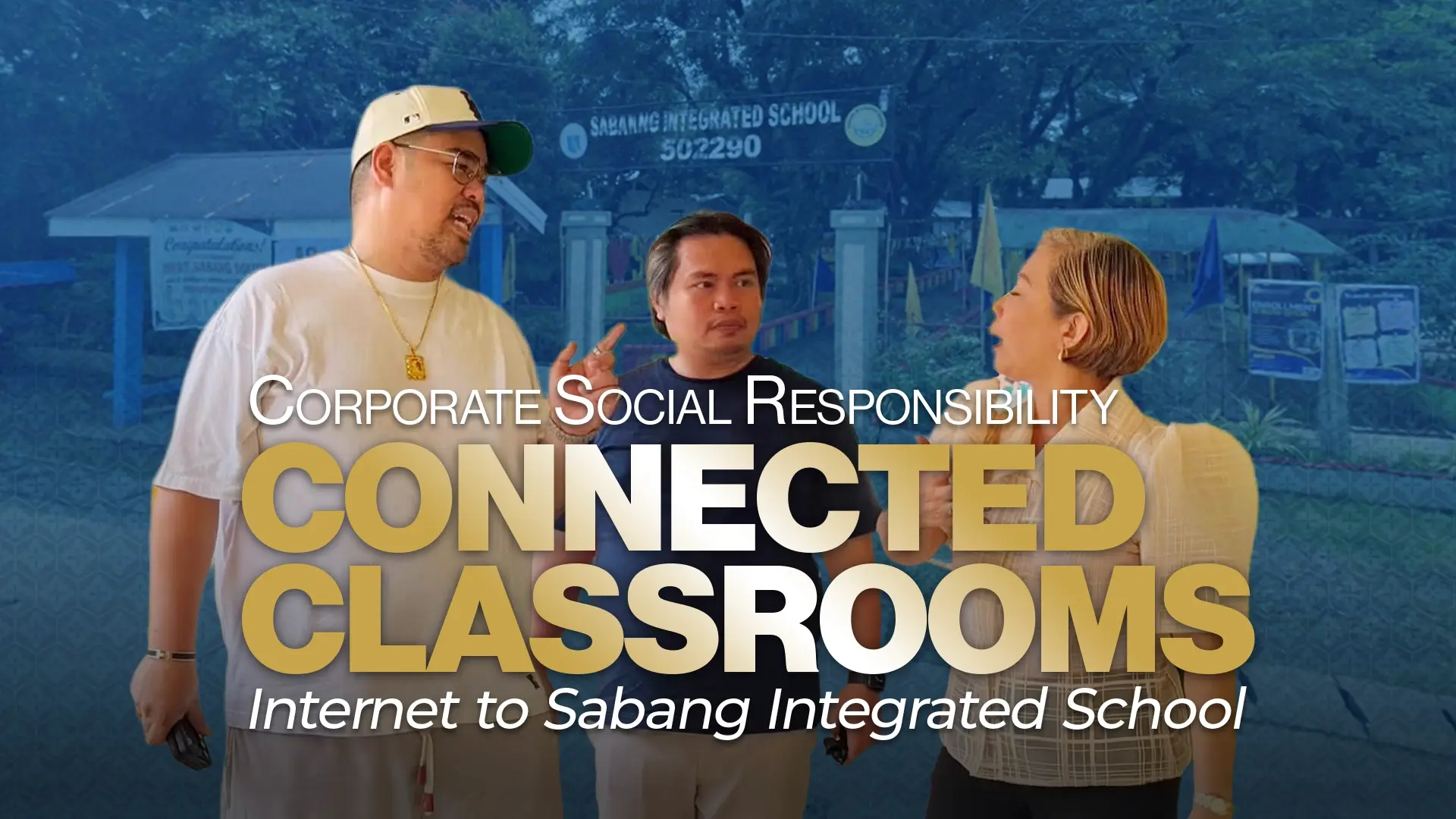
In this article
The connectivity gap in Philippine schools
As artificial intelligence and digital technology continue to reshape how students learn, reliable internet access has stopped being a convenience. For teachers and students alike, it is becoming essential infrastructure — as fundamental to a modern classroom as a whiteboard or a textbook.
The Philippines has made real progress on this front. As of August 2025, roughly 78% of public schools nationwide now have some form of internet connectivity, up sharply from 60% earlier that year, as national fiber and broadband programs expand into more provinces. But progress isn't the same as completion. Government assessments tied to the 2026 national budget still counted around 12,000 school campuses without internet access — many of them in the same kind of geographically dispersed, rural communities where Sabang Integrated School sits.
National public school connectivity, 2025
The majority of schools are now online — but thousands of campuses, often in last-mile communities, are still waiting
Source: Department of Information and Communications Technology (DICT), via Philippine News Agency, August 2025; 2026 National Budget connectivity assessment.
This is the gap Cebu tele-net Philippines Corp. — better known to clients as CTNP — set out to close for one school, in one community, that mattered personally to someone on our leadership team.
Where the story starts: Sabang Integrated School
Sabang Integrated School sits in Borongan City, Eastern Samar, and serves approximately 680 elementary and high school students. Like many schools outside major urban centers, its classrooms had limited, inconsistent access to the internet — a gap that stood between its teachers and the online research, digital learning tools, and emerging technologies now shaping modern education.
The project began after CTNP Chief Sales Officer Anthony "Silver" Ballena Cepeda — himself a native of Borongan — identified the need for better internet coverage within the school. What could have been treated as a distant corporate initiative instead became personal: a hometown gap, seen firsthand, that CTNP was in a position to help close.
"The importance of having a stable and reliable internet connection in a school cannot be overstated. Today, connectivity is vital to learning. Through the support of Cebu tele-net Philippines Corp. and our partners, we have helped give the teachers of Sabang Integrated School another tool to make learning for its 680 students faster, more accessible, and better."
— Anthony "Silver" Ballena Cepeda, Chief Sales Officer, Cebu tele-net Philippines Corp.Turning a need into infrastructure
What initially looked like a significant undertaking became achievable through collaboration. CTNP didn't tackle this alone — and that, in many ways, is the point. A project like this only works when the private sector, local government, and community expertise move in the same direction.
Corporate backing
Cebu tele-net Philippines Corp.
Identified the need, organized the initiative, and backed it as part of the company's ongoing commitment to community development beyond its client-facing work.
Technical expertise
John Albert Quial
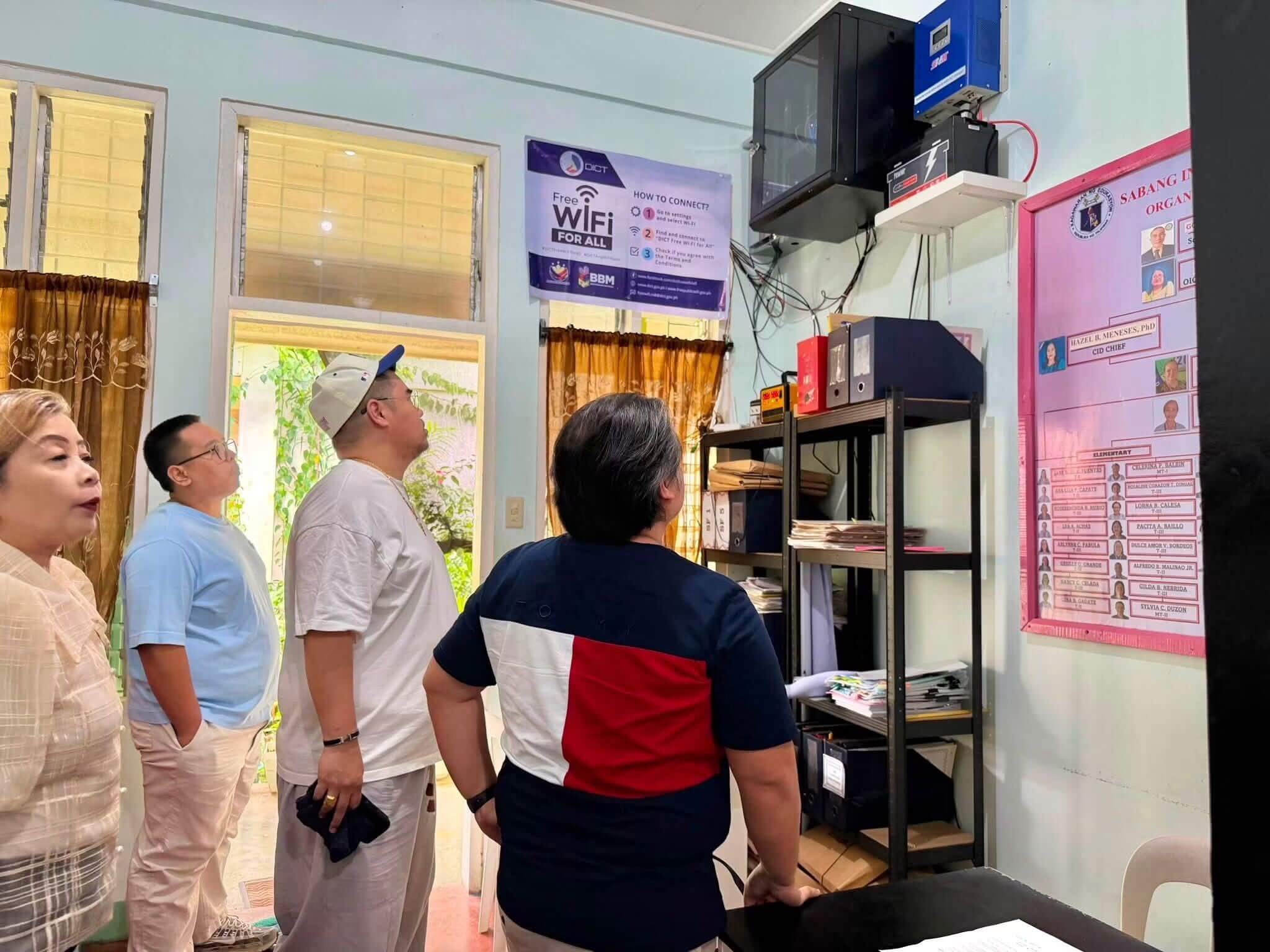
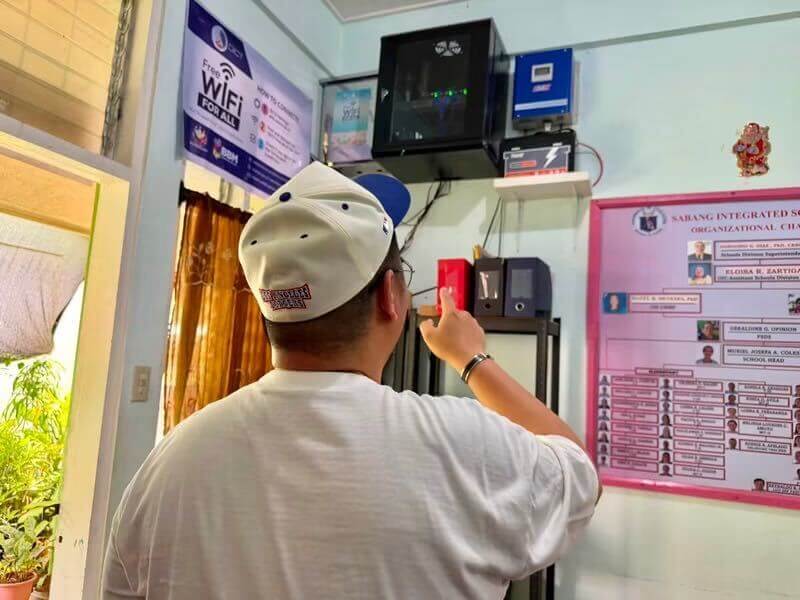
A former elementary school classmate of CSO Silver Cepeda, Quial developed the technical plan and provided a battery backup system designed to keep the school's Wi-Fi operational for up to 24 hours during a power outage.
Local government
Councilor Ian Galo
Chairman of the Committee on Education, Councilor Galo supported the project and shared the vision of strengthening access to technology and educational resources for the school.
Each partner brought something the others didn't have. That combination — corporate resourcing, hands-on technical know-how, and local government support — is what moved this from an identified problem to a completed installation.
What the project actually delivers
The completed initiative provides improved internet connectivity across the classrooms of Sabang Integrated School, with infrastructure designed to stay online even when the power doesn't. That last detail matters more than it might first appear — in areas prone to outages, a Wi-Fi system that drops the moment the grid does isn't much of a solution at all.
Better connectivity means teachers can bring online research, digital learning resources, and emerging technologies directly into the classroom — tools that complement, rather than replace, hands-on instruction.
A glimpse inside the project
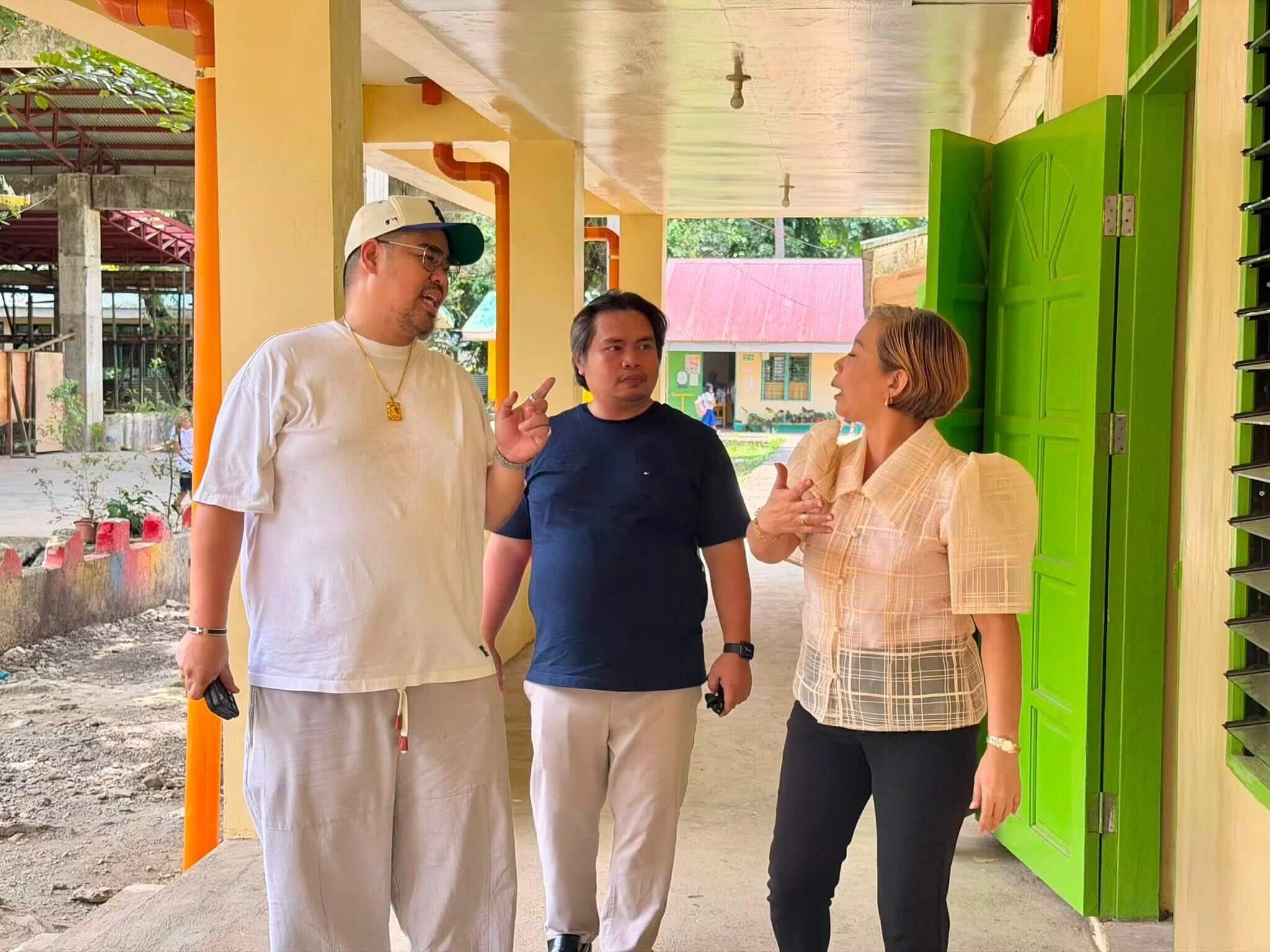
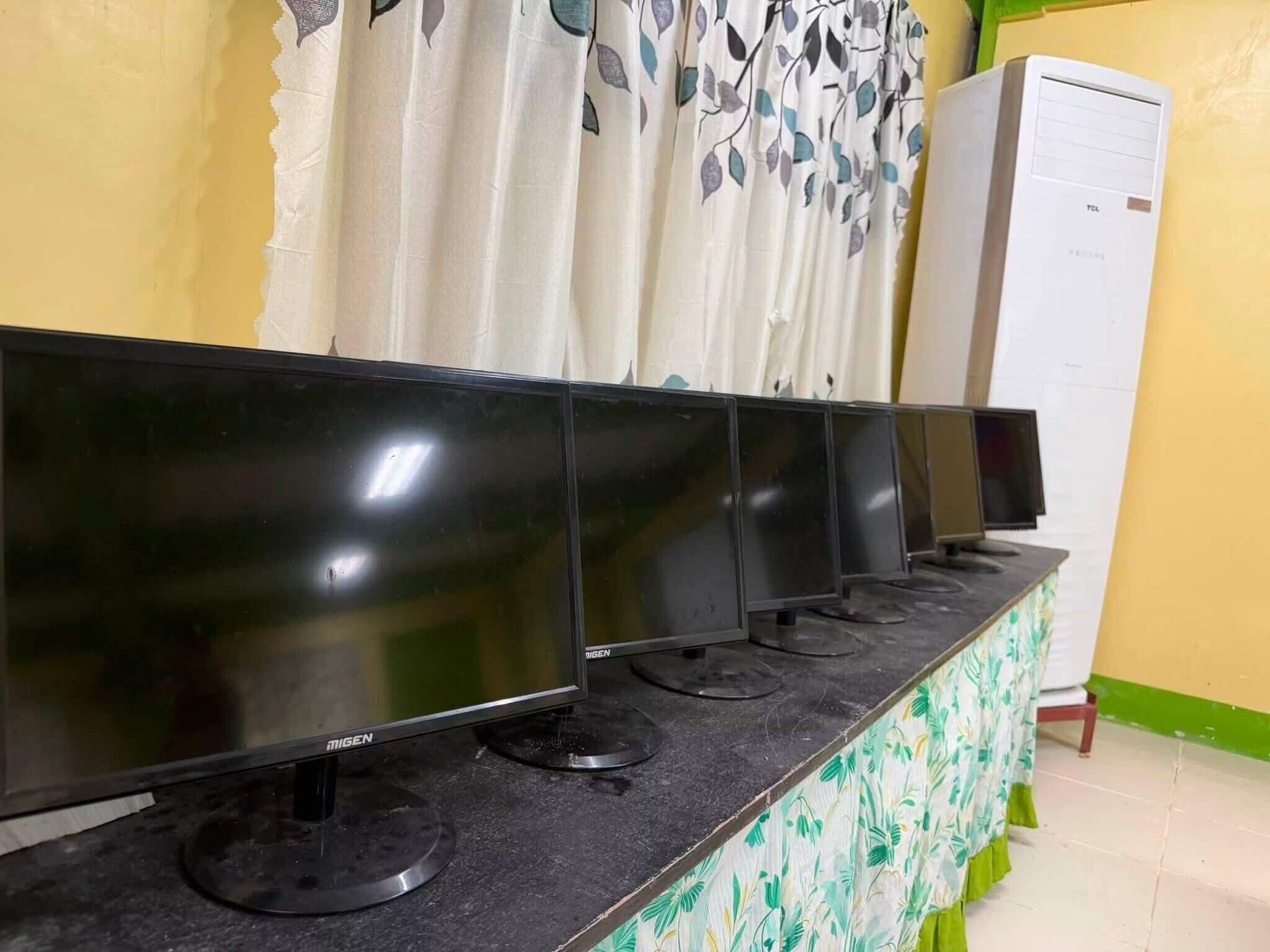
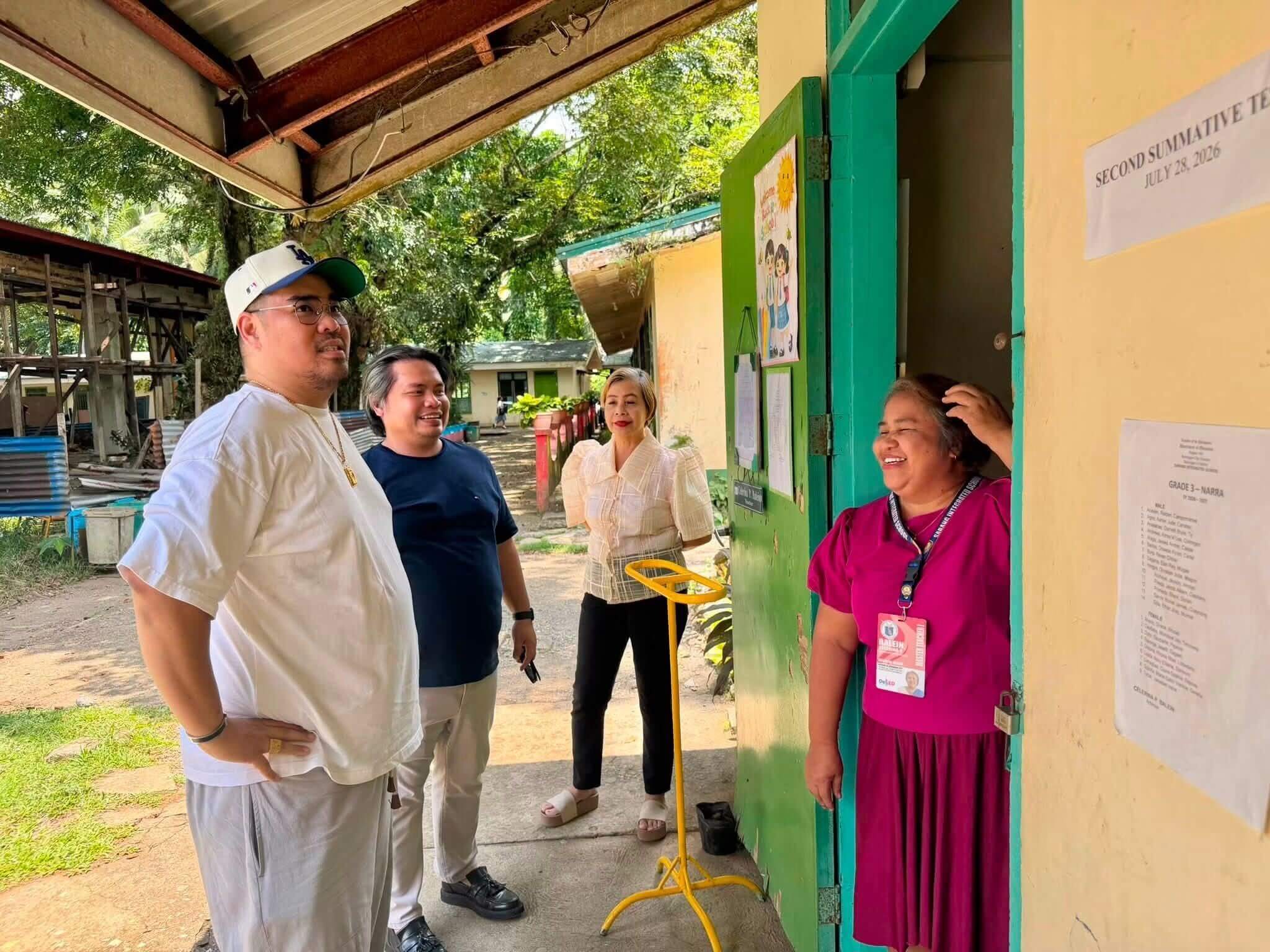
From the technical walkthrough to the finished installation, here's a look at the initiative on the ground in Borongan City.
Why CTNP shows up for communities
For Cebu tele-net, technology has always been about more than systems and connectivity. It is about what technology enables people to accomplish — whether that's a client's customer scaling their support operations, or a classroom of students finally able to research a school project online.
This project also represents something CTNP tries to practice consistently, not just in its client work: Omotenashi and Malasakit as demonstrated values, not marketing language.
"At Cebu tele-net, we do not practice Omotenashi and Malasakit only in thought or in the way we serve our clients. We believe these values must also be demonstrated through action — by building stronger communities and supporting them through meaningful corporate social outreach and projects." — Anthony "Silver" Ballena Cepeda, Chief Sales Officer
The project represents what can happen when the private sector, local government, and members of the community come together around a common purpose. CTNP extends its appreciation to John Albert Quial and Councilor Ian Galo for helping turn an identified need into something that will benefit hundreds of students and their teachers for years to come.
Because corporate social responsibility shouldn't simply be something written on a company profile. It should be something a community can see, use, and benefit from — and it's a philosophy CTNP carries from how it treats its BPO clients to how it shows up in communities like Borongan City.