There is a question sitting at the back of every outsourcing decision being made right now, even if it hasn't been said out loud yet: "Is my BPO partner going to be obsolete in the next five years?"
It's a fair question. The BPO industry is in the midst of a technological shift, and not every provider is responding with the same urgency. Some are watching. Some are experimenting quietly. Some are waiting for clients to demand it before doing anything at all.
CTNP differentiates itself from those providers.
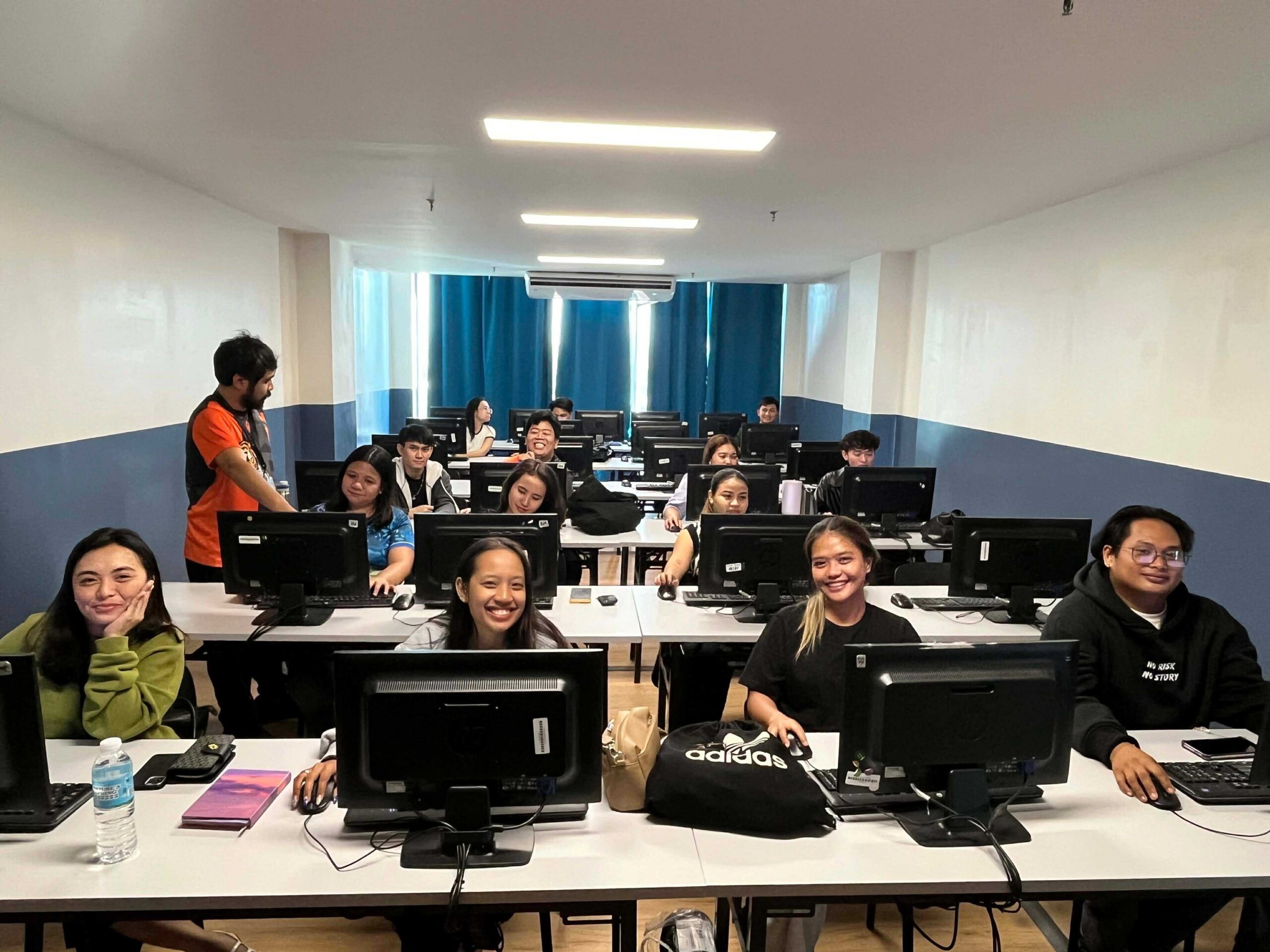
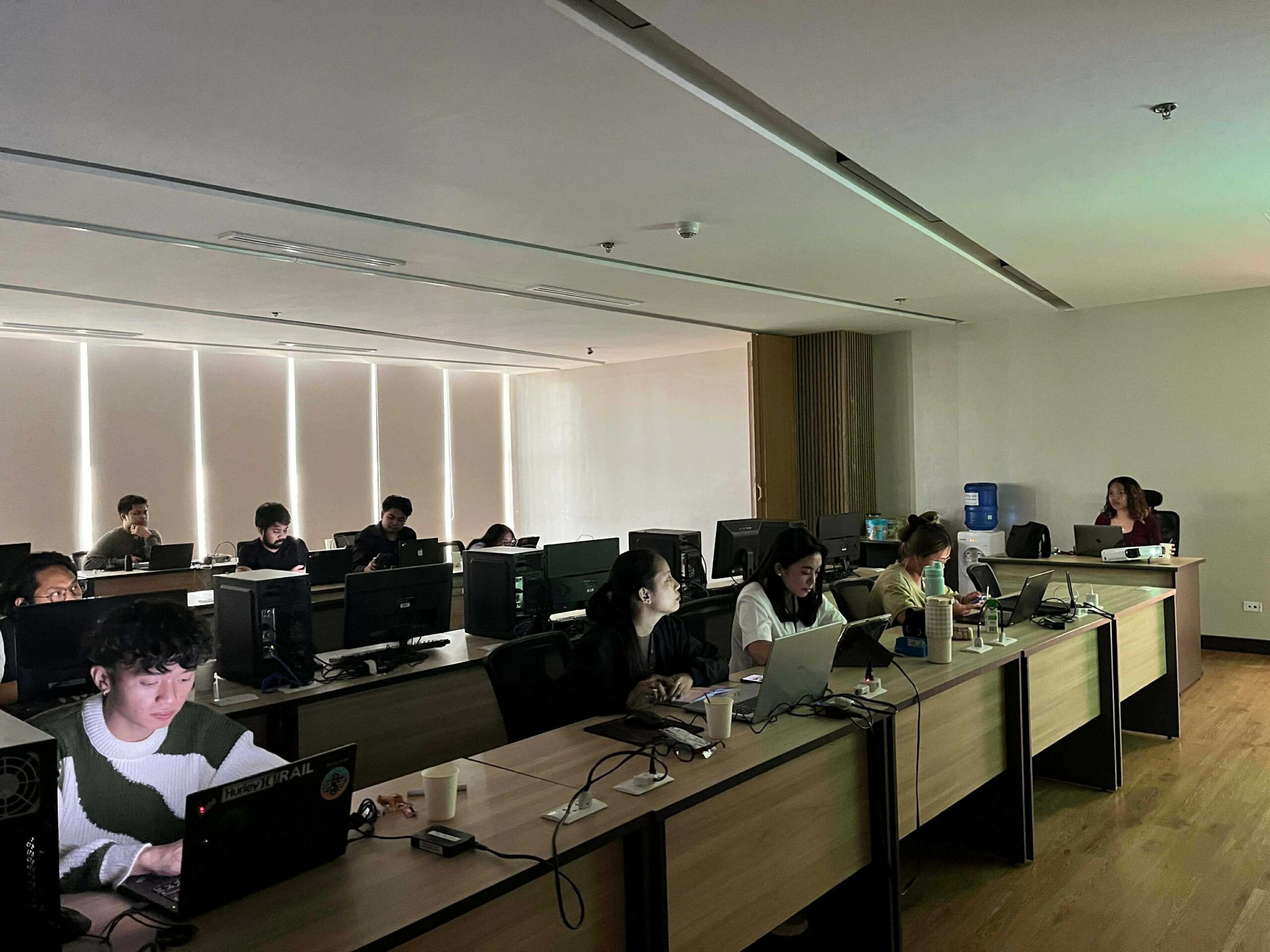
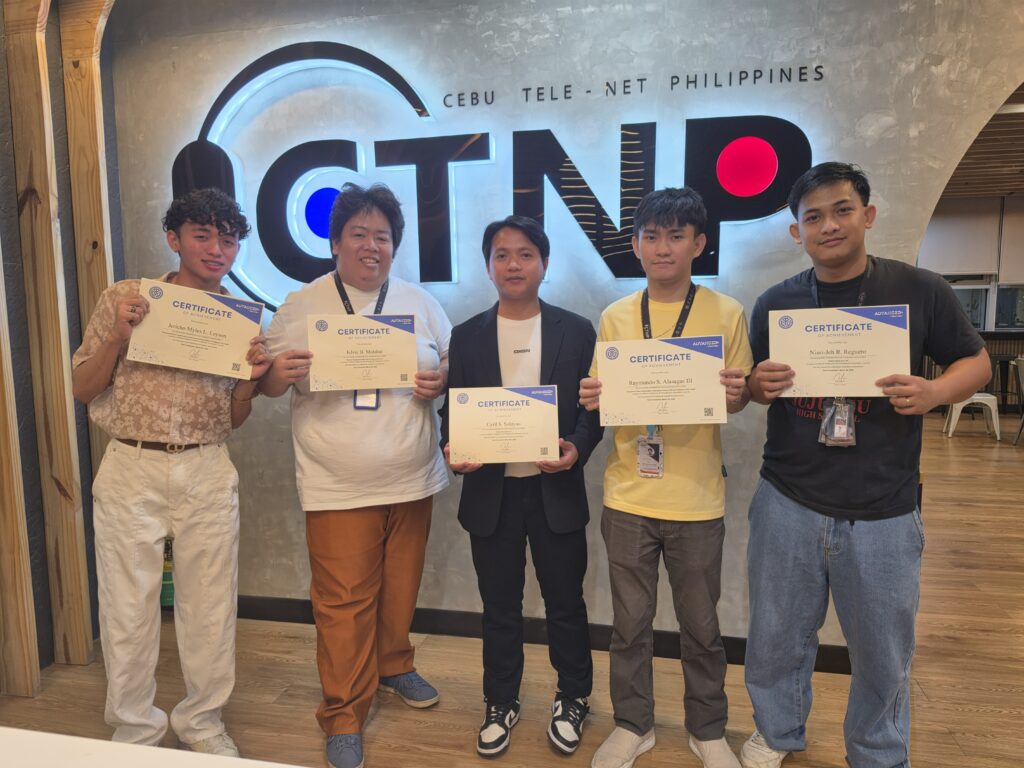
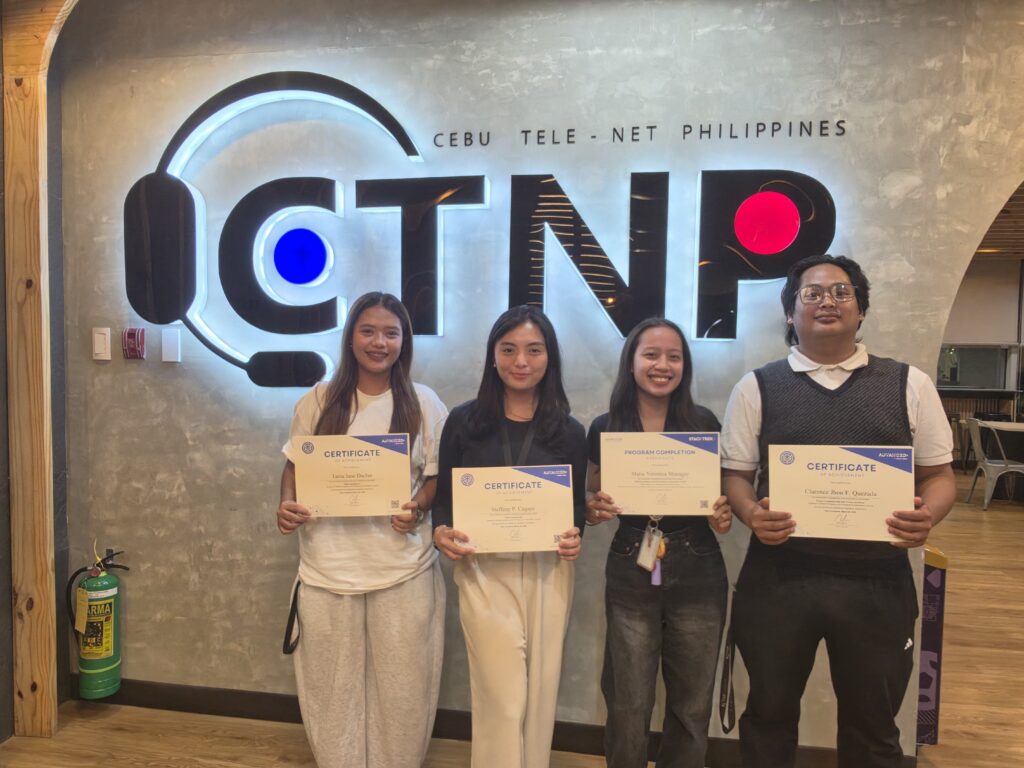
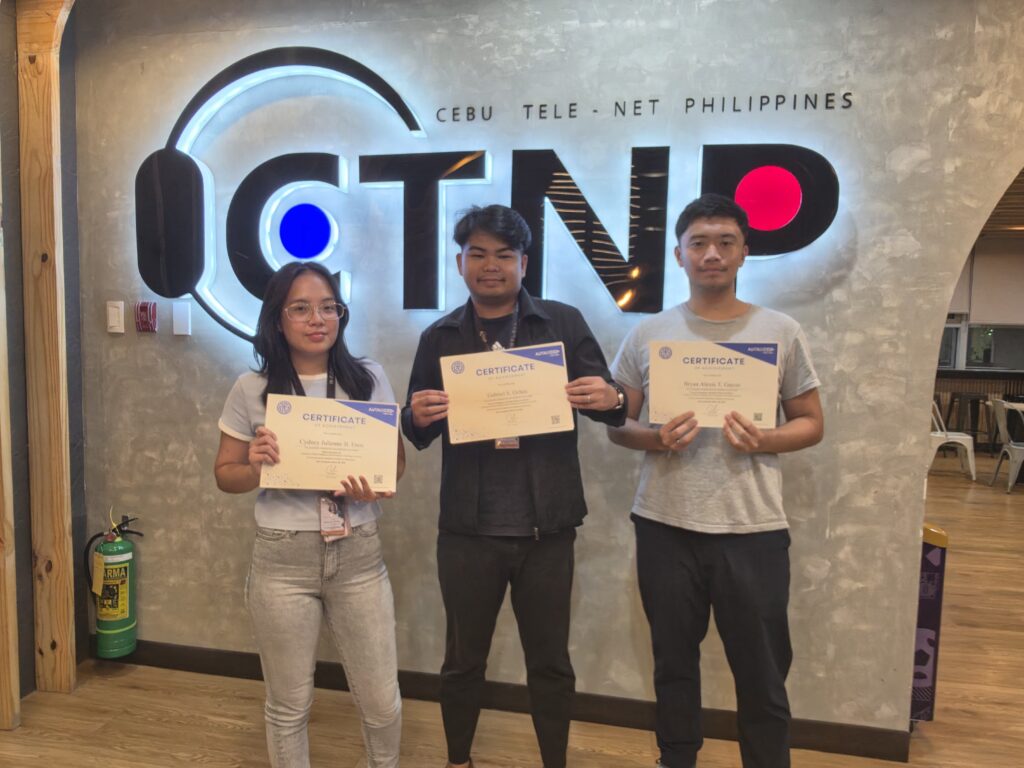
In April 2026, the CTNP leadership team completed a structured, hands-on AI readiness training programme. These are the same people who set the strategy, manage client accounts, and oversee 800+ agents assigned here in our Cebu production floor. By completing the operational training sessions conducted in our own facility, they learned how to use tools that will add to their efficiency to deliver daily tasks for clients.
This post documents what we did, why it matters, and — most importantly — what it means for every business that outsources with CTNP.
Why BPO Providers Need to Act on AI — Now, Not Later
Let's be clear about what AI is actually doing to the BPO industry — and what it isn't.
AI is not replacing call center agents en masse. The businesses that believed automation would eliminate the need for human customer interaction have, largely, reversed course. Multiple customer-service studies and industry surveys show that consumers still want access to human agents, particularly for complex, sensitive, or nuanced issues where empathy, judgment, and tailored problem-solving matter. SurveyMonkey’s 2026 CX research found that 79% of Americans strongly prefer human agents over AI agents and 89% believe companies should always offer the option to speak with a human. Similar findings were also reported by Cogito’s consumer survey stating that 53% prefer a live agent by phone for complex customer-service questions. We explored this topic deeply in our previous blog post - Why AI-First Customer Service Is Quietly Failing —and our conclusion still stands: the most effective model combines human judgment with AI capabilities, not one replacing the other.
AI is changing what an excellent agent can accomplish.
An AI-equipped agent today can receive real-time call summaries, get instant knowledge base suggestions during a live conversation, see sentiment analysis flagging a frustrated customer before the interaction escalates, and complete post-call documentation in seconds instead of minutes. A non-AI agent at the same salary level, working the same hours, is increasingly at a structural disadvantage. This is not because they're less skilled, but because they don't have the same tools.
For businesses evaluating BPO services providers this creates a new selection criterion that didn't exist two years ago: is this provider's leadership team AI-literate? Are their quality assurance processes AI-enhanced? Are their agents being trained alongside these tools—or are they operating on a system that was designed for 2019?
"The risk isn't that AI replaces your outsourced agents. The risk is that your BPO partner never equips them."
At CTNP, we've spent 30 years building our reputation on the spirit of Omotenashi. We anticipate the customer's needs before they're expressed, not just react to them. AI doesn't change that principle. In contrast, it could give our agents better data to act on and make the right decisions in situations that demand it. Our recent leadership AI training is what turns that belief into operational reality.
What CTNP's AI Training Actually Looks Like
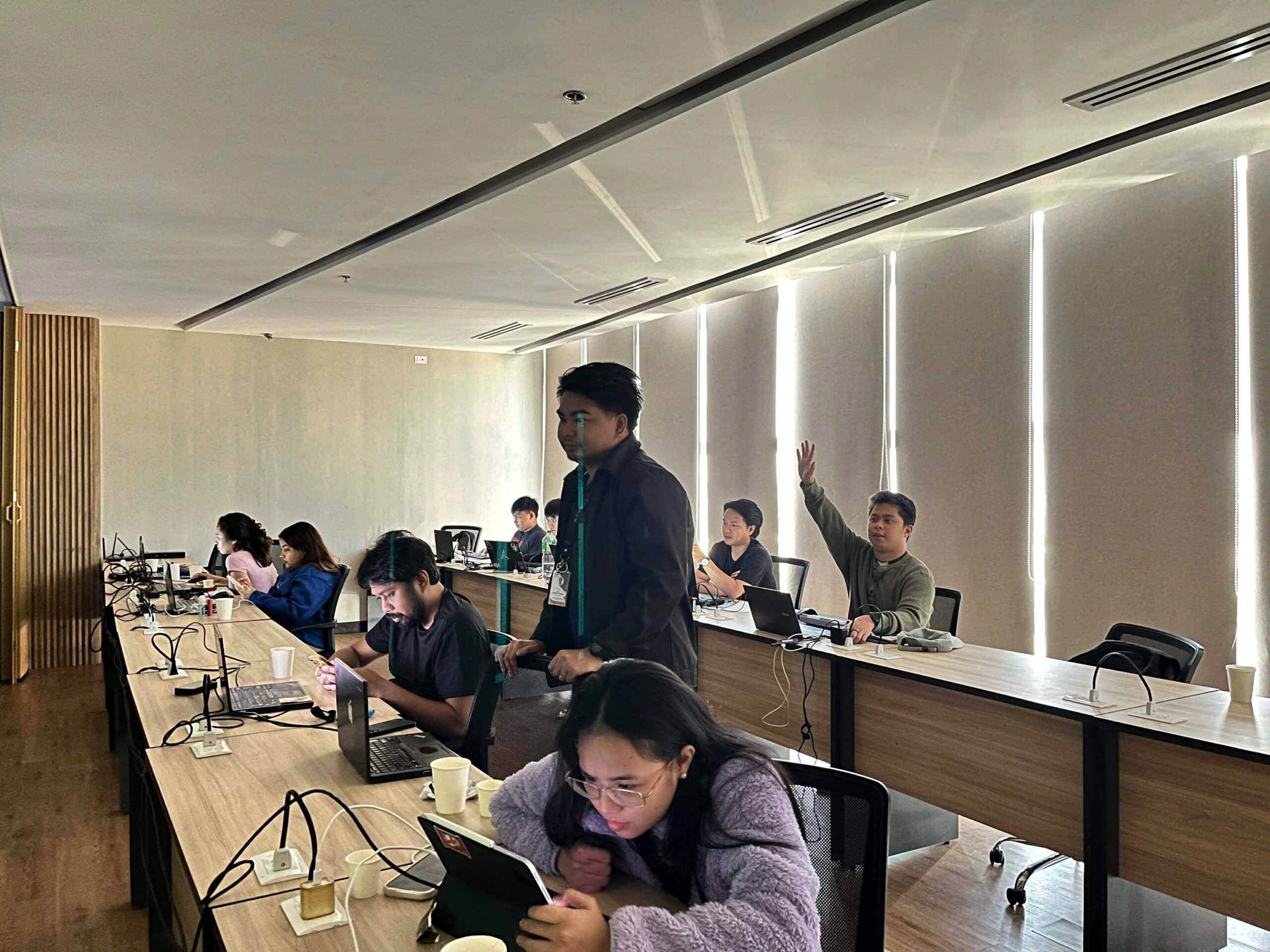
Now that we’ve established how AI can enhance work efficiency of both leaders and agents, let us discuss how the AI training happened. The AI readiness programme was held in our training rooms here in Cebu. In this way, leaders can apply what they learn in theory to the actual environment they are operating. They could observe the impact of their newly gained knowledge, adjust, and reinforce its application towards their daily operations in real time.
Here is a breakdown of the four core areas our leadership team trained in and why each one matters:
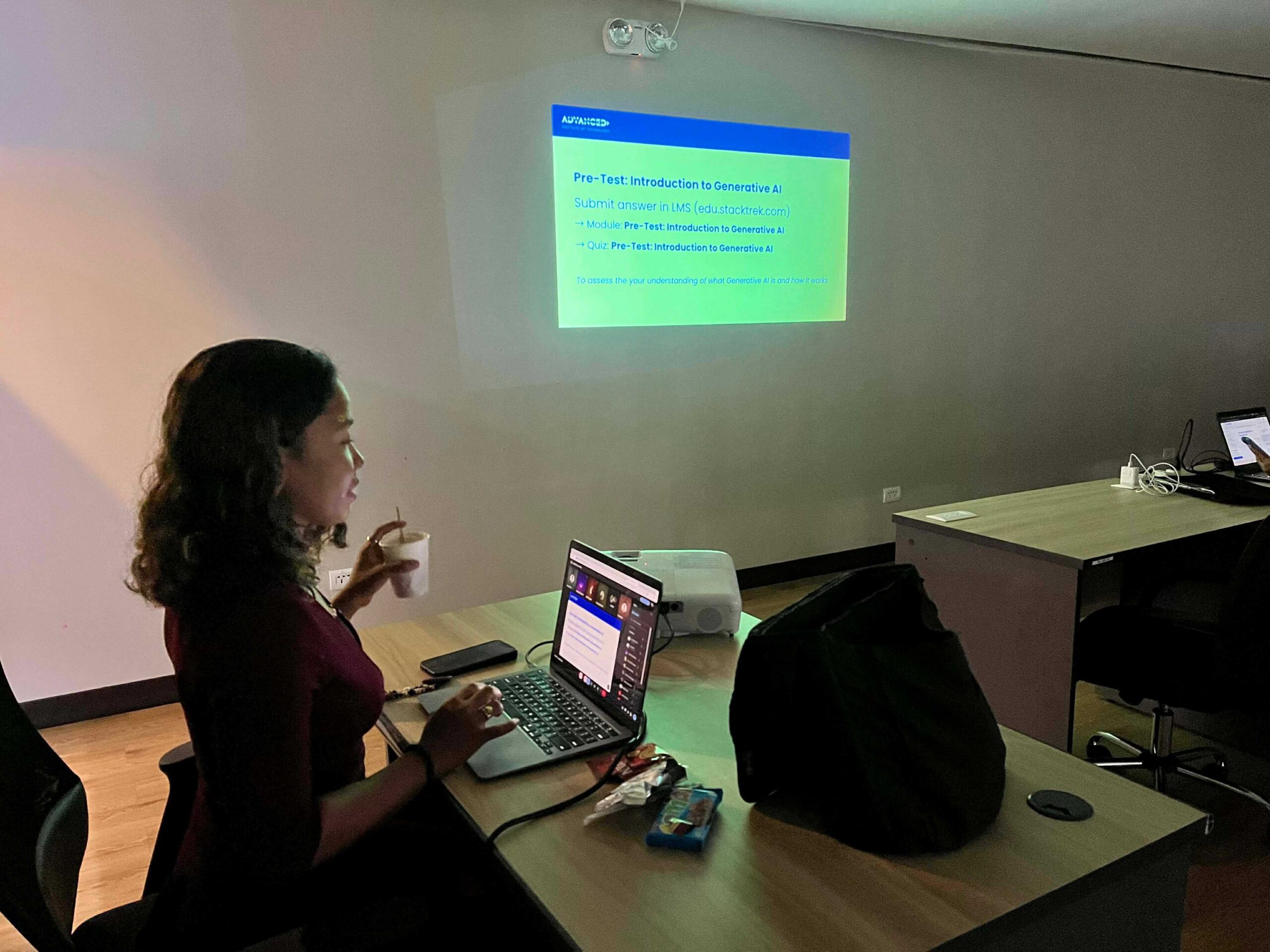
Here is a breakdown of the four core areas our leadership team trained in — and why each one matters to our clients:
The Omotenashi Principle Doesn't Change — It Gets Sharper
For over 30 years of service, Omotenashi has been more than a brand value at CTNP. It has become a training methodology, a standard for agent behaviour, and the reason our clients cite "they feel like part of our team" as the most common reason they stay with us for years.
Omotenashi, at its core, is about anticipating needs before they are expressed. It is the difference between an agent who waits for a customer to say "I'm frustrated" and one who notices the frustration three exchanges earlier and adjusts before it escalates. Omotenashi is fundamentally human because it requires empathy, situational reading, and judgment that no AI system currently replicates reliably. This may be the case but we are not saying that AI does not hold any place in our operations. In fact, AI can give better data to Omotenashi-trained agents—and it can give it to them way faster.
But here is what AI can do for Omotenashi-trained agents: it can give them better data, faster.
Consider a practical Consider a practical example. An AI-powered sentiment analysis tool monitoring a live call flags a negative sentiment signal at the 45-second mark. A slight change in vocal tone was identified followed by a sentence pattern associated with growing frustration. A standard agent misses it. An Omotenashi-trained agent however, equipped with the right tool, acts on it immediately. It adjusts its approach, offering a proactive resolution, and turning what was heading toward an escalation into a moment that exceeds the customer's expectation—that is Omotenashi, amplified.
"AI doesn't replace Omotenashi. It gives our agents the data to practise it better, faster, and more consistently than any human could alone."
The distinction that matters for our clients is that AI investment at the leadership level does not exist to cut costs by reducing headcount. It exists to raise the ceiling on what our agents can deliver in order to give our clients better, more consistent, more intelligent service from the same team they already trust.
What This Means for Our Clients — Specifically
Leadership AI training that stays inside the leadership team is an interesting story. Leadership AI training that changes what clients experience is a competitive advantage. Here is exactly how CTNP's AI readiness investment flows into your account:
The three changes our clients will experience most directly over the coming months as AI capability matures at CTNP:
CTNP's commitment: Every AI capability we deploy will be in service of the client relationship and the customer experience — not a cost-cutting shortcut that replaces human judgment in situations that require it. Our AI guardrails training exists precisely to enforce this distinction operationally.
This Is the Beginning — Not a Milestone We're Celebrating
We are not publishing this to declare victory on AI readiness. We're publishing it because our clients deserve to know that the BPO services provider they work with is actively building toward a better model — and because transparency about that process is more valuable than a polished announcement when it's finished.
This training is the first formal step in CTNP's AI readiness programme. There are more steps behind it — agent-level tool rollouts, AI-enhanced reporting system integrations, and a continuous learning framework that keeps pace with how quickly the technology is evolving. We will document those steps here, on this blog, as they happen.
What we can say with confidence today is this: the BPO industry is changing, and the providers worth partnering with for the next decade are the ones investing in their people's capability to navigate that change — not the ones who are waiting for clients to demand it first.
At CTNP, we've always believed that Omotenashi — anticipating needs before they are expressed — applies to our clients as much as it applies to their customers. Investing in AI readiness before you ask for it is exactly that.
Want to Know What Our AI-Enhanced Approach Means for Your Operation?
Book a free 30-minute discovery call. We'll walk you through how our AI readiness programme applies to your specific account — and show you what the next 12 months look like for clients partnering with CTNP.
Book a discovery call View our services