The quake didn't just shake the ground — it exposed a gap in how the BPO sector protects its graveyard-shift workforce. Here's what happened when industry leaders sat down with government to fix it.
Key takeaways
- The Cebu earthquake revealed a critical blind spot: most BPO emergency drills happen during daytime, leaving night-shift workers unprepared.
- CTNP proposed — and local officials agreed to explore — mandatory night-time emergency drills for BPO employees.
- Separate talks with DOLE Secretary Laguesma and key industry bodies (IBPAP, CIB.O) confirmed a unified government-industry stance on worker safety.
- Collaboration — not confrontation — is the only way to build a truly resilient BPO sector.
When the earthquake struck Cebu, the ground wasn't the only thing that shook. Confidence did too — confidence that the structures, systems, and emergency plans protecting thousands of BPO workers were actually fit for purpose. For those of us leading companies in the sector, the disaster was clarifying: safety, communication, and collaboration can no longer be afterthoughts.
Over the weeks that followed, I had the privilege of representing Cebu tele-net Philippines (CTNP) in a series of dialogues with city government, national labor officials, and industry peers. What emerged from those conversations wasn't just a set of commitments on paper — it was a renewed sense of what the BPO industry can and must become.
A City Comes to the Table
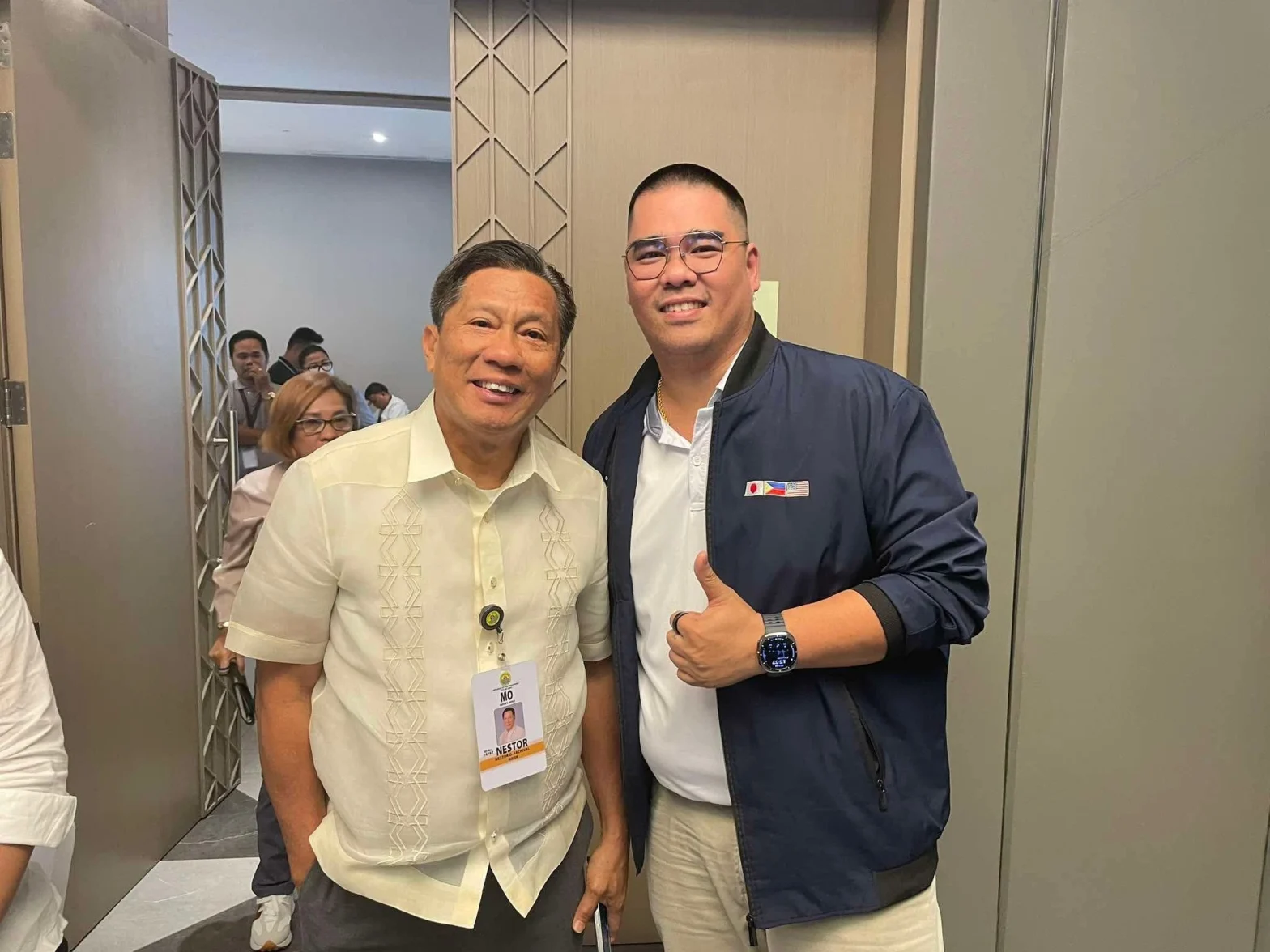
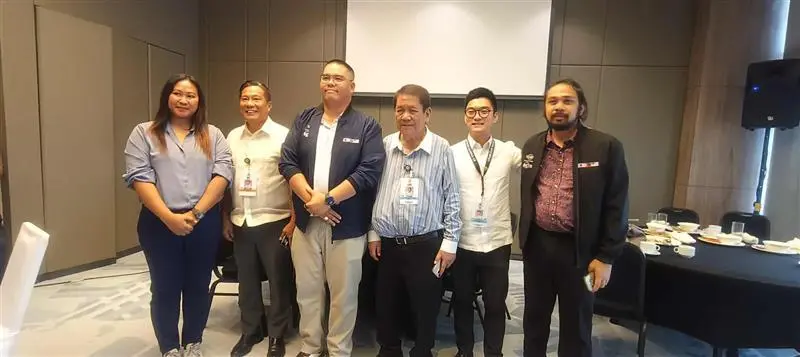
In the immediate aftermath of the earthquake, Cebu City Mayor Nestor Archival and Vice Mayor Tommy Osmeña convened an urgent joint session bringing together BPO companies, building administrators, and government emergency agencies. The agenda was direct: identify what went wrong, agree on what must change, and make sure the city is never caught flat-footed again.
During that session, I raised something that had been on my mind since the first tremor: almost every emergency drill in the Philippines — and most of Asia — takes place during business hours. But the BPO industry runs 24/7. The majority of our workforce operates on graveyard and mid shifts. When disaster strikes at 2 a.m., those workers are on their own, with safety protocols designed for a 9-to-5 world.
"Our night-shift workers are the heartbeat of Cebu's economy. The drills have to match the reality of their schedules — not the other way around."
The proposal resonated. Councilor Harold Go, present at the meeting, voiced his support and began exploring concrete steps the city could take to mandate and fund night-time evacuation drills across BPO buildings. It sounds like a simple fix — and in some ways it is — but the impact for tens of thousands of night-shift employees could be enormous.
Taking the Conversation National
Shortly after the city-level meeting, the discussion widened. Labor Secretary Bienvenido Laguesma and DOLE Region VII Director Atty. Roy Buenafe invited BPO leaders from across the country to a national dialogue. Representatives from IBPAP (IT and Business Process Association of the Philippines) and the Cebu IT/BPM Organization (CIB.O) were at the table alongside company executives and regulatory officials.
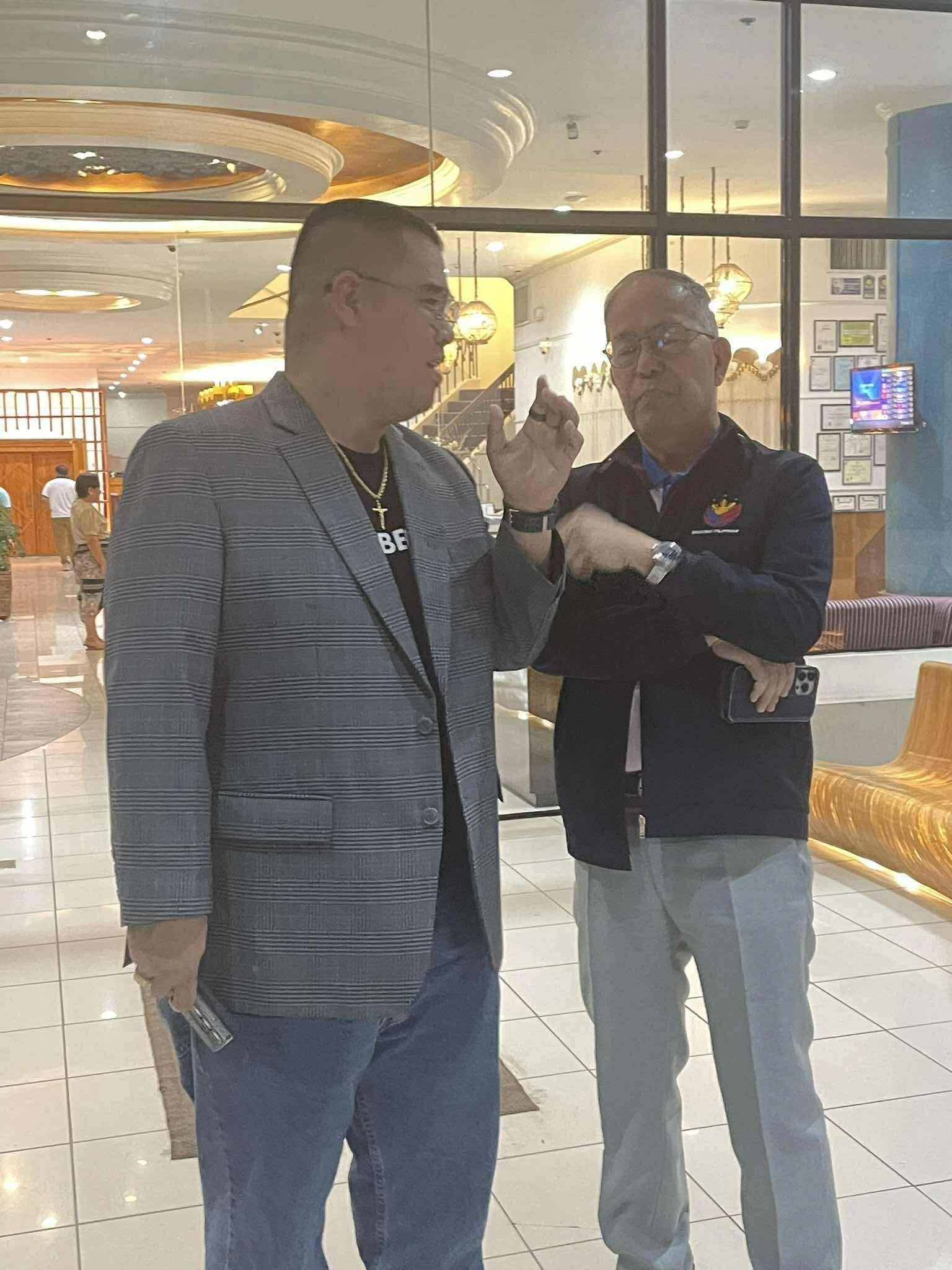
This was more than a formal consultation. It was proof that the government is listening — and that the channels between industry and regulators, when used constructively, can produce real results. During my exchange with Secretary Laguesma, we discussed the need for clear enforcement guidelines, fair standards, and consistent coordination between private BPO operators and the agencies responsible for worker welfare. His openness to engage was, frankly, encouraging.
City Level
Mayor Archival & Vice Mayor Osmeña host joint BPO-government dialogue. Night-shift drill proposal raised and supported by Councilor Harold Go.
National Level
DOLE Secretary Laguesma convenes BPO industry roundtable. IBPAP & CIB.O reaffirm commitment to safety standards and open communication.
October 10, 2025
Formal reaffirmation of the IBPAP–DOLE partnership. Government and industry align on protecting safety, integrity, and employment in the BPO sector.
From Noise to Action
The weeks after the earthquake were not calm ones for the BPO industry. There was speculation, criticism, and a fair amount of misinformation circulating — about compliance, about accountability, about what companies were or weren't doing to protect their people. That noise was disorienting. But amid it, a quieter, steadier current was also flowing.
Real progress tends to happen this way. Not in press releases or social media statements, but in rooms where people with different roles and interests sit down, set aside the noise, and decide to work together. The formal reaffirmation of the IBPAP-DOLE partnership on October 10, 2025, was one such moment. The CIB.O's public stance — that collaboration, not confrontation, is the path to safer workplaces — was another.
Why this matters for the industry
The Philippines' BPO sector employs over 1.7 million people, with Cebu among its most important hubs. When safety standards improve here — through better drills, clearer protocols, and stronger government-industry alignment — they set a benchmark that the whole industry can follow. That's not just good for workers. It's good for the companies that serve global clients who expect operational continuity and responsible employment practices.
What We Believe at CTNP
At Cebu tele-net Philippines, these dialogues are not compliance exercises. They're opportunities to lead — to help shape an industry that takes its responsibilities seriously and doesn't wait for a disaster to prompt action.
Our operating philosophy has always blended Japanese-quality discipline with Filipino compassion — a commitment to precision in our processes and genuine care for our people. That combination is exactly what a safer BPO industry requires: systematic preparation (drills, protocols, building standards) and a culture of accountability that starts from leadership.
The earthquake reminded us that resilience is not about avoiding crises — it's about being ready for them, and about trusting that the people and institutions around you will respond with clarity and purpose when it counts.
When the ground moves, we don't panic — we act.
When misinformation spreads, we don't argue — we engage.
When challenges come, we don't retreat — we build.
Resilience isn't measured by what we endure. It's defined by what we learn — and how we move forward together.