Digital learning is becoming part of everyday education, but access to the infrastructure behind it remains uneven.
For schools outside major urban centers, the challenge is not simply whether online learning resources exist. Teachers and students also need dependable connectivity, suitable equipment, electrical resilience, and infrastructure that reaches the classroom rather than stopping at an administrative office.
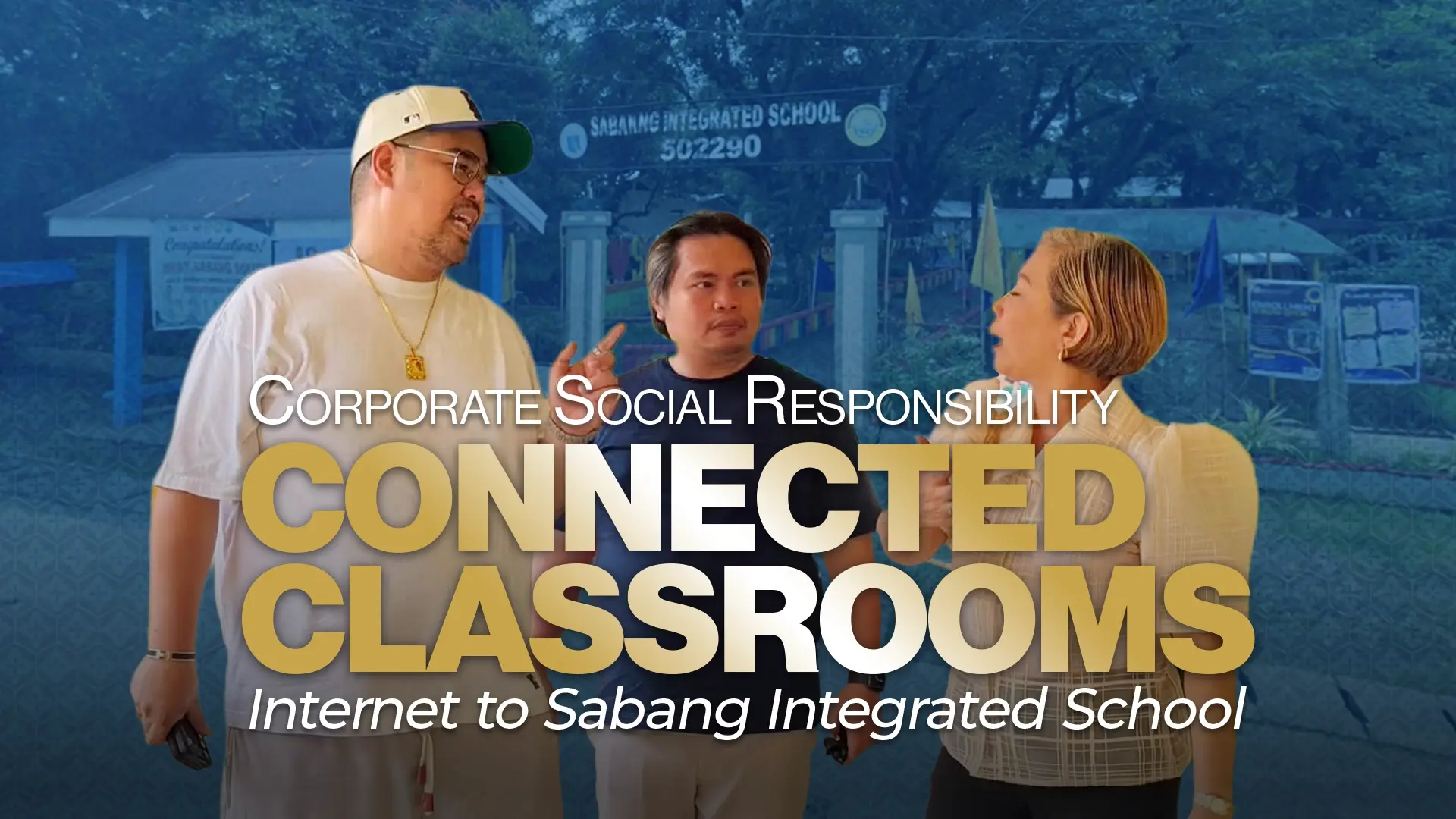
This was the practical challenge behind Cebu tele-net Philippines' involvement with Sabang Integrated School in Borongan City, Eastern Samar.
The initiative started with a local need identified by CTNP Chief Sales Officer Anthony "Silver" Ballena Cepeda, a native of Borongan. It developed into a collaborative connectivity project involving Cebu tele-net, technical specialist John Albert Quial, Councilor Ian Galo, and the school community.
Why School Connectivity Still Matters in 2026
The Philippines has continued to expand digital access across the public-school system.
In October 2026, the Department of Education reported that 44,870 public schools were connected to the internet. The department has also continued distributing laptops, Smart TVs, e-learning carts, and other digital-learning equipment.
At the same time, connectivity remains an active infrastructure priority, particularly in geographically isolated and disadvantaged areas.
Remote-School Connectivity Initiative, June 2026
Of 189 schools identified under one targeted connectivity project, 172 had already been connected by June 2026.
Source: Philippine Information Agency, June 10, 2026. Of the 189 identified schools in the targeted remote-school connectivity initiative, 172 were already connected and 17 remained. This 91% figure refers only to that specific initiative and should not be interpreted as the national public-school connectivity rate.
The government's National Digital Connectivity Plan provides a longer-term benchmark: universal internet access for public schools is one of its targets for 2028.
Projects at the community level therefore complement a much broader national effort to make digital access more consistent and inclusive.
Why Sabang Integrated School Became Personal for CTNP
Sabang Integrated School serves approximately 680 elementary and high school students in Borongan City.
For Silver Cepeda, the project was more than a remote corporate initiative. As someone from Borongan, he understood how location can affect access to infrastructure and educational resources.
The objective was straightforward: help create a more dependable digital connection that teachers could use as another tool for instruction.
"The importance of having a stable and reliable internet connection in a school cannot be overstated. Today, connectivity is vital to learning. Through the support of Cebu tele-net Philippines Corp. and our partners, we have helped give the teachers of Sabang Integrated School another tool to make learning for its 680 students faster, more accessible, and better."
— Anthony "Silver" Ballena Cepeda, Chief Sales Officer, Cebu tele-net Philippines Corp.A Community Project Built Through Partnership
CTNP did not approach the project as something one organization could complete alone.
The initiative brought together corporate support, local technical knowledge, and public-sector participation. Each contributor addressed a different part of the problem.
Corporate Support
Cebu tele-net Philippines
CTNP helped organize and support the initiative as part of its broader commitment to community development and people-centered corporate responsibility.
Technical Expertise
John Albert Quial
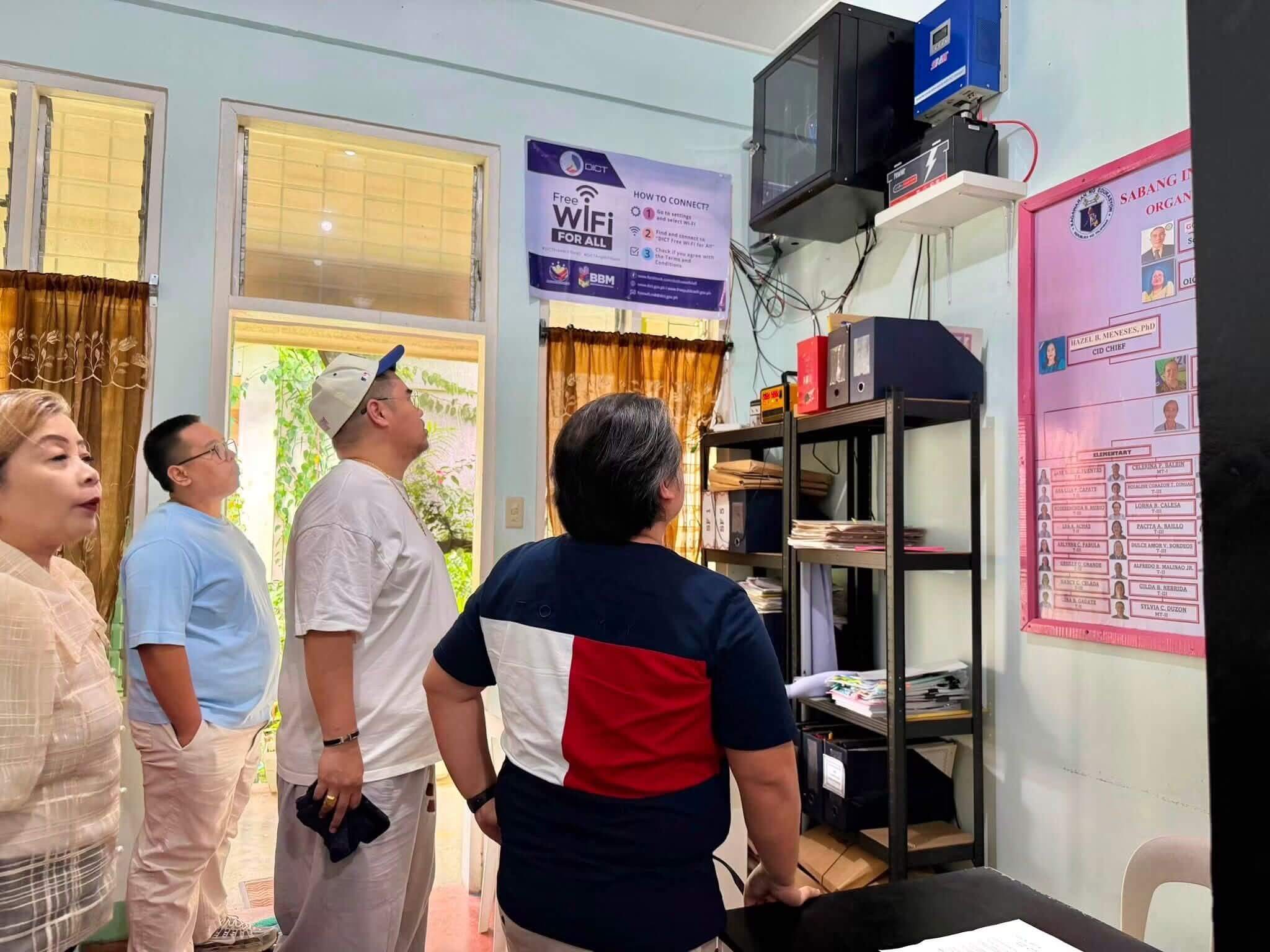
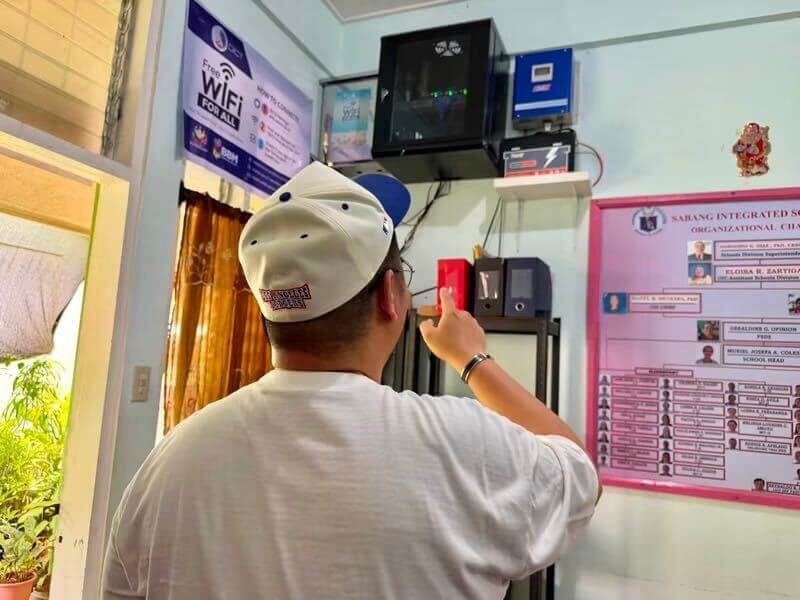
Quial developed the technical plan and provided a battery backup system intended to keep the school's Wi-Fi operating for up to 24 hours during a power interruption.
Local Government
Councilor Ian Galo
As Chairman of the Committee on Education, Councilor Galo supported the initiative and its objective of expanding access to technology and educational resources.
The collaboration demonstrates an important principle in community projects: local problems are often solved more effectively when organizations contribute different capabilities toward the same outcome.
What the Connectivity Project Provides
The project improved internet availability across Sabang Integrated School's classrooms.
That classroom-level access matters because connectivity inside a school is not useful if it remains concentrated only in administrative offices or individual computer rooms.
The project also incorporated power resilience. The battery backup system was designed to help maintain Wi-Fi service for up to 24 hours during power interruptions.
Why this matters: reliable classroom connectivity can give teachers faster access to online research, digital learning resources, communication tools, educational platforms, and emerging technologies that can complement traditional instruction.
Connectivity Is Infrastructure, Not the Learning Outcome
Internet access does not automatically improve education.
It becomes valuable when teachers and students can use it purposefully.
A connected classroom can expand access to reference materials, multimedia resources, collaborative platforms, educational software, online training, and information that may otherwise be difficult to obtain in geographically dispersed communities.
But connectivity works best when it is paired with trained educators, appropriate devices, digital literacy, reliable electricity, responsible technology use, and learning strategies suited to students' needs.
This is why CTNP views the Sabang project as infrastructure that enables opportunity rather than technology as an end in itself.
A Glimpse Inside the Sabang Integrated School Project
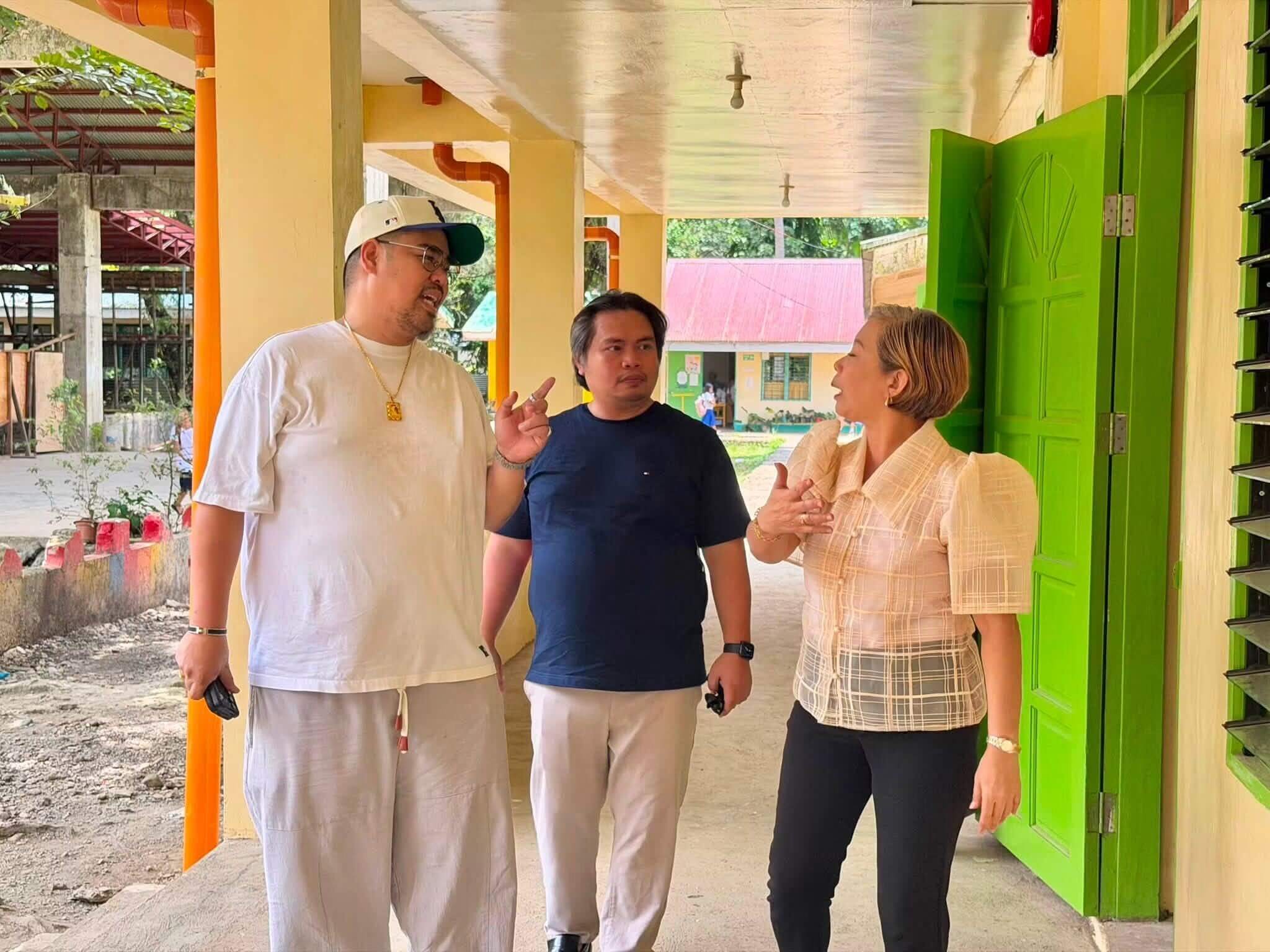
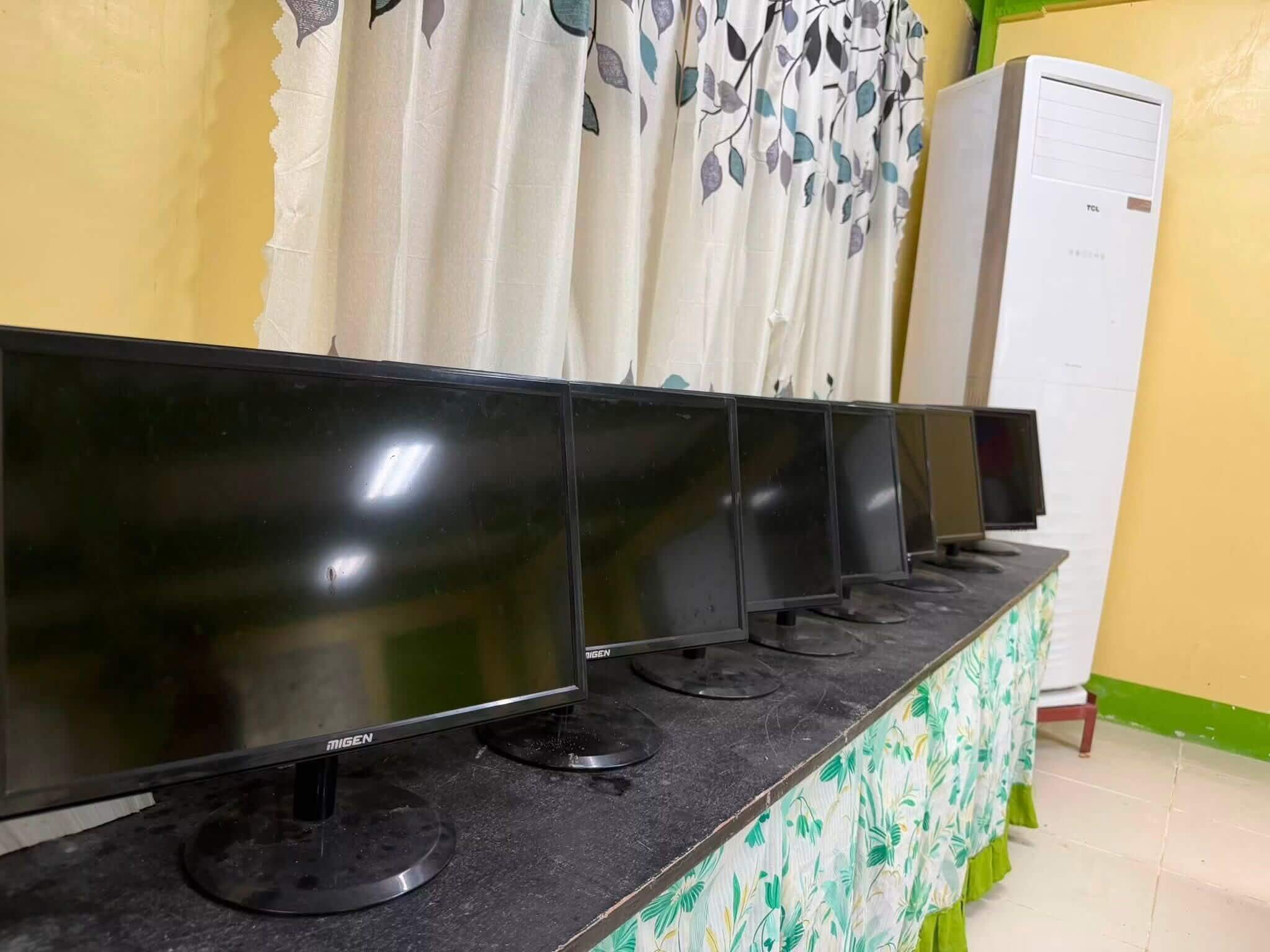
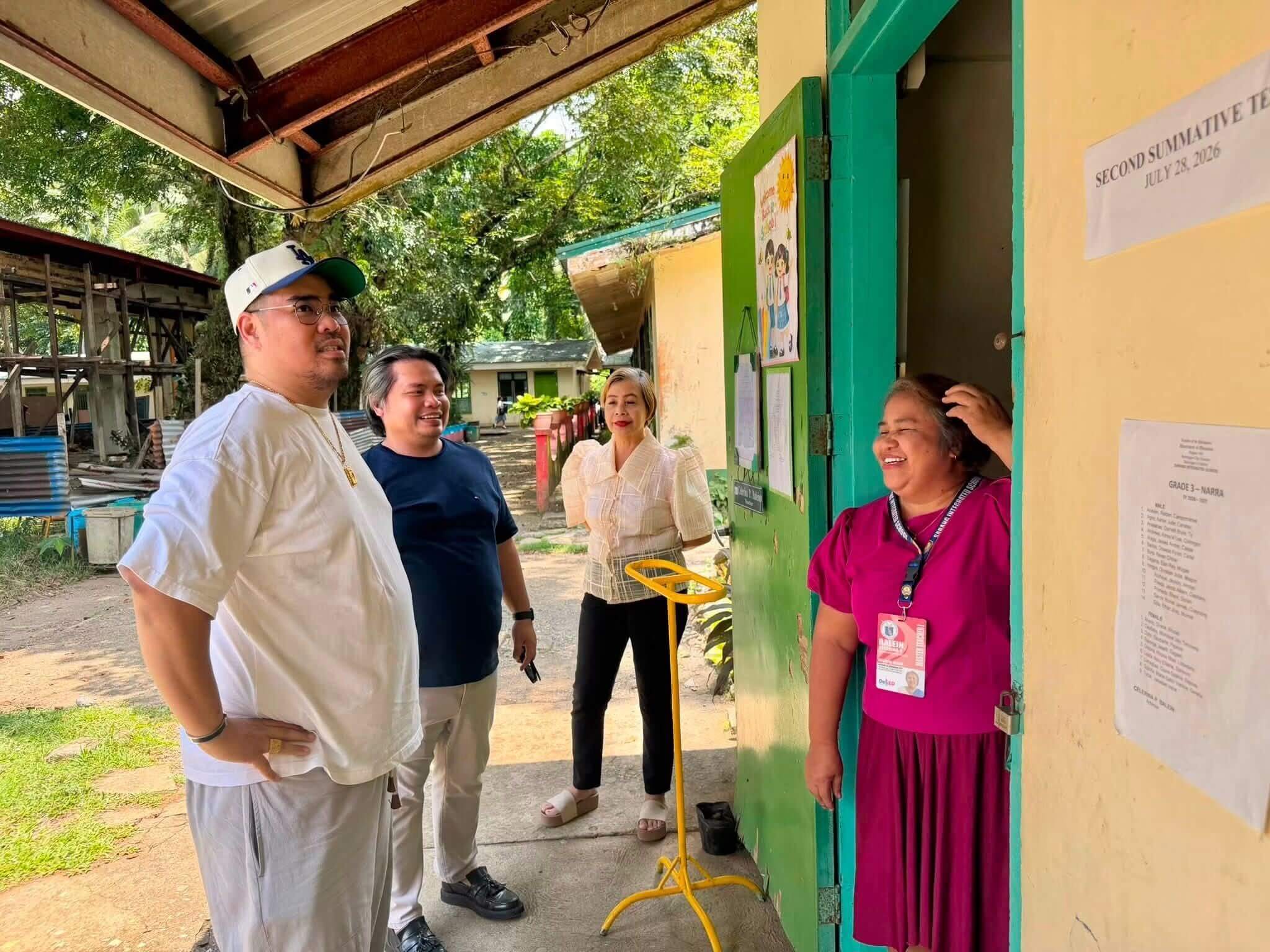
The project involved both technical planning and on-site coordination. The following photos document the school visit, connectivity equipment, project review, and classroom environment.
Why CTNP Connects CSR With Omotenashi and Malasakit
Cebu tele-net Philippines describes its culture through two complementary ideas: Japanese Omotenashi and Filipino Malasakit.
Omotenashi emphasizes thoughtful service, attentiveness, responsibility, and anticipating needs. Malasakit adds a deeply Filipino sense of care, concern, and shared responsibility.
CTNP applies these principles to customer service and operations, but community projects provide another way to demonstrate them.
"At Cebu tele-net, we do not practice Omotenashi and Malasakit only in thought or in the way we serve our clients. We believe these values must also be demonstrated through action — by building stronger communities and supporting them through meaningful corporate social outreach and projects."
The Sabang Integrated School project is therefore not presented simply as a technology donation.
It reflects a broader idea of corporate social responsibility: identify a real need, work with people who understand the community, contribute practical resources, and build something that the community can actually use.
Why Private-Sector Participation Still Matters
Government programs are expanding connectivity nationwide, but reaching every classroom is a large infrastructure challenge.
The National Digital Connectivity Plan calls for universal internet access across public schools, barangay halls, and health centers by 2028. Achieving that level of coverage will require continued national investment as well as cooperation among government, telecommunications providers, local organizations, schools, and the private sector.
A company does not need to solve the national connectivity gap by itself to make a meaningful contribution.
Sometimes the practical question is smaller: What problem can we realistically help solve in one community?
At Sabang Integrated School, that problem was classroom connectivity.
People-Centered Service, Inside and Outside the Workplace
CTNP combines disciplined operations, Japanese Omotenashi, Filipino Malasakit, and human-centered service across client relationships, employee culture, and community initiatives.
Learn More About CTNPDisclaimer: National school-connectivity figures are based on government information available as of November 2026 and may change as DepEd and DICT continue connectivity programs. Project-specific information about Sabang Integrated School is based on Cebu tele-net Philippines' project records.
Sources
- Philippine Information Agency. "Bridging digital gaps in education key to sustaining PH gains in PISA scores," October 2026. DepEd 2026 Digital Connectivity Update
- Department of Education. National Inventory Dashboard, updated November 9, 2026. DepEd National Inventory Dashboard
- Philippine Information Agency. "Marcos Jr. admin expands internet access in remote schools," June 10, 2026. Remote School Connectivity Update
- Philippine Information Agency. "Economy and Development Council okays National Digital Connectivity Plan for fast, secure broadband connection," January 26, 2026. National Digital Connectivity Plan